You want a driveway or patio that looks good and lasts for years. This article shows how block paving in Wakefield can give your home curb appeal and practical value while outlining what to expect from a local specialist like Groundforce Drives & Patios.
You will learn how professional block paving can improve your property and what upkeep it needs to stay strong and attractive. The following sections guide you through the company background, the key benefits of hiring experts, and simple maintenance tips to protect your investment.
Groundforce Drives & Patios Limited
You can tell Groundforce cares about quality as soon as you arrive. The team works on driveways and block paving from planning to finish, and they explain options clearly so you know what to expect.
The crew kept the site tidy while they worked and checked with me at key stages to confirm details. They use tried-and-true techniques and aim for a neat, long-lasting finish rather than quick fixes.
You will find their service professional but personal. They focus on customer satisfaction and offer free quotes, so you can get a clear idea of cost and timeline before work starts.
Rating: 5 (27)
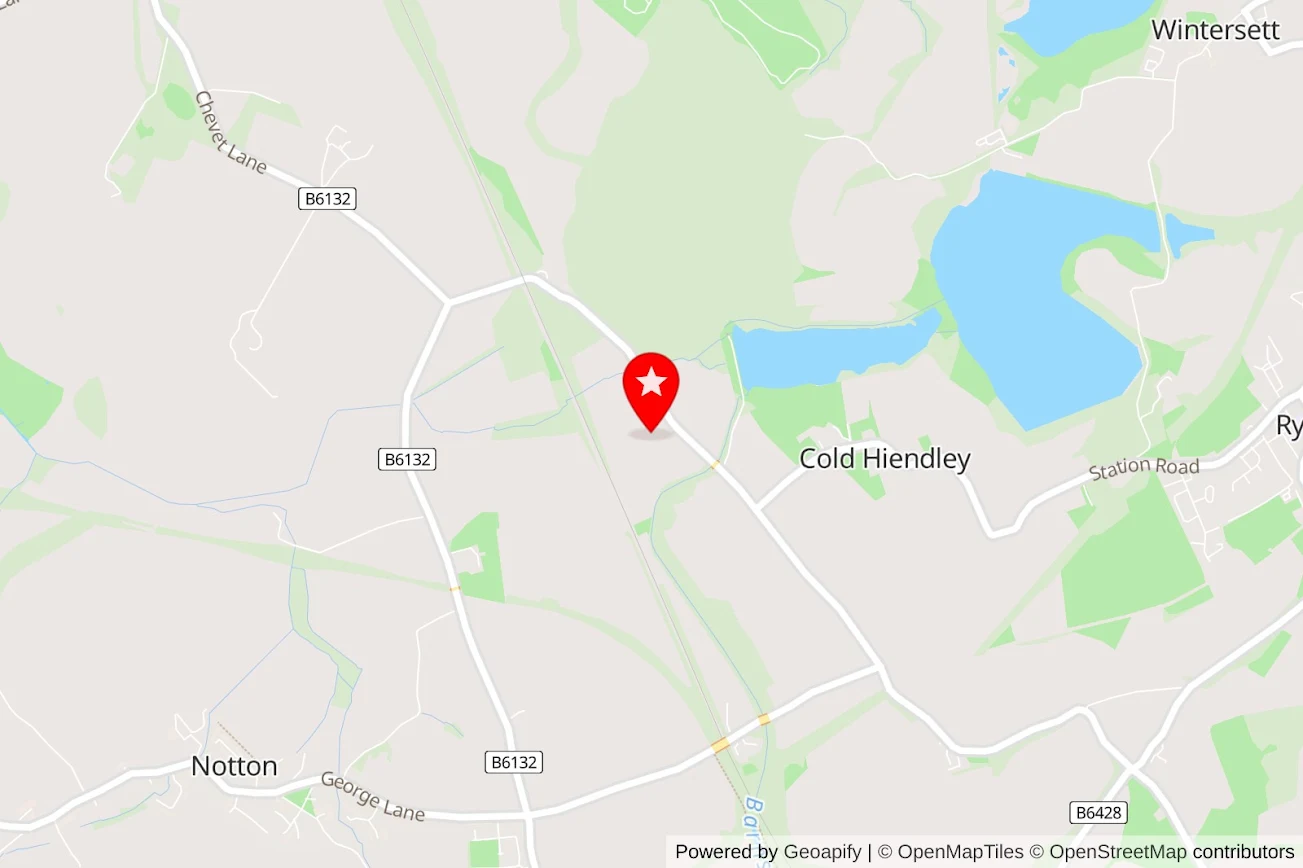
Location: Groundforce Drives & Patios Limited
Website: Visit Website
Benefits of Professional Block Paving
Professional block paving improves how your property looks and how long the surface lasts. It focuses on correct installation, choice of materials, and finishing details that matter for daily use and appearance.
Enhanced Curb Appeal
You get a neat, uniform finish that boosts your home’s look and street value. Professionals lay blocks in consistent patterns and correct joint spacing so the surface appears even and tight. They can add contrasting borders, patterns, or different colors to match your brickwork or landscaping.
You also get clean edging and compacted bases that stop weeds and uneven sinking. That means fewer visible gaps and less patchy growth between pavers. Small details — like matching kerb cuts and a smooth transition to the footpath — make the whole property look cared for.
Long-Term Durability
A properly built block paved surface resists wheel loads, frost, and rain because of the right base depth and correct sand or mortar jointing. Pros calculate base thickness for your vehicle weight and soil type, so the paving does not settle unevenly over time.
They use industry methods: compacted sub-base, edge restraint installation, correct laying patterns, and final compaction with kiln-dried sand swept into joints. These steps reduce movement, stop water pooling, and make individual blocks easy to replace if damaged. You end up with a surface that needs less repair and stays functional for decades.
Maintenance Insights
Keep dirt, weeds, and joint sand in check so your block paving stays level and attractive. Tackle small problems early and follow simple seasonal steps to protect your investment.
Seasonal Care Tips
Spring: Remove winter grit and re-sweep kiln-dried joint sand into gaps. Pressure-wash at low setting (max 1200–1500 psi) to avoid dislodging sand. Check drainage and clear nearby gutters so water doesn’t pool on the paving.
Summer: Inspect for loose blocks after heavy rain or heat cycles. Top up any lost joint sand and compact it with a broom or plate compactor if available. Trim overhanging plants to reduce moss and leaf debris build-up.
Autumn: Clear leaves daily to stop staining and moss growth. Apply a moss and algae cleaner to shaded areas following the product instructions. Check edging restraints and replace any damaged timber or edging stones.
Winter: Avoid rock salt on paving; use grit sparingly on icy spots to protect joints. Repair small cracks before frost deepens them. Store heavy equipment off the paving to prevent surface damage.
Common Issues and Solutions
Weeds and moss: Pull weeds by the root and treat remaining spores with a biodegradable weed killer or white vinegar solution. Refill joints with kiln-dried sand and compact to reduce future growth.
Sunken or uneven blocks: Remove affected blocks, add and compact a fresh sharp sand or Type 1 sub-base, then reset the blocks. Use a plate compactor for a uniform finish and check levels with a straightedge.
Staining: For oil or grease, blot excess, then use a degreaser or hot water and mild detergent. Rust spots respond to a diluted citric-acid cleaner; test on a hidden block first. For stubborn stains, consider a specialist patio cleaner.
Loose joint sand: Re-sweep kiln-dried sand and compact. If sand keeps washing out, check for drainage problems and install edging or a resin stabiliser to lock joints.
Cracked blocks: Replace cracked units individually. Match size and colour closely and ensure the sub-base is sound to prevent repeat cracking.